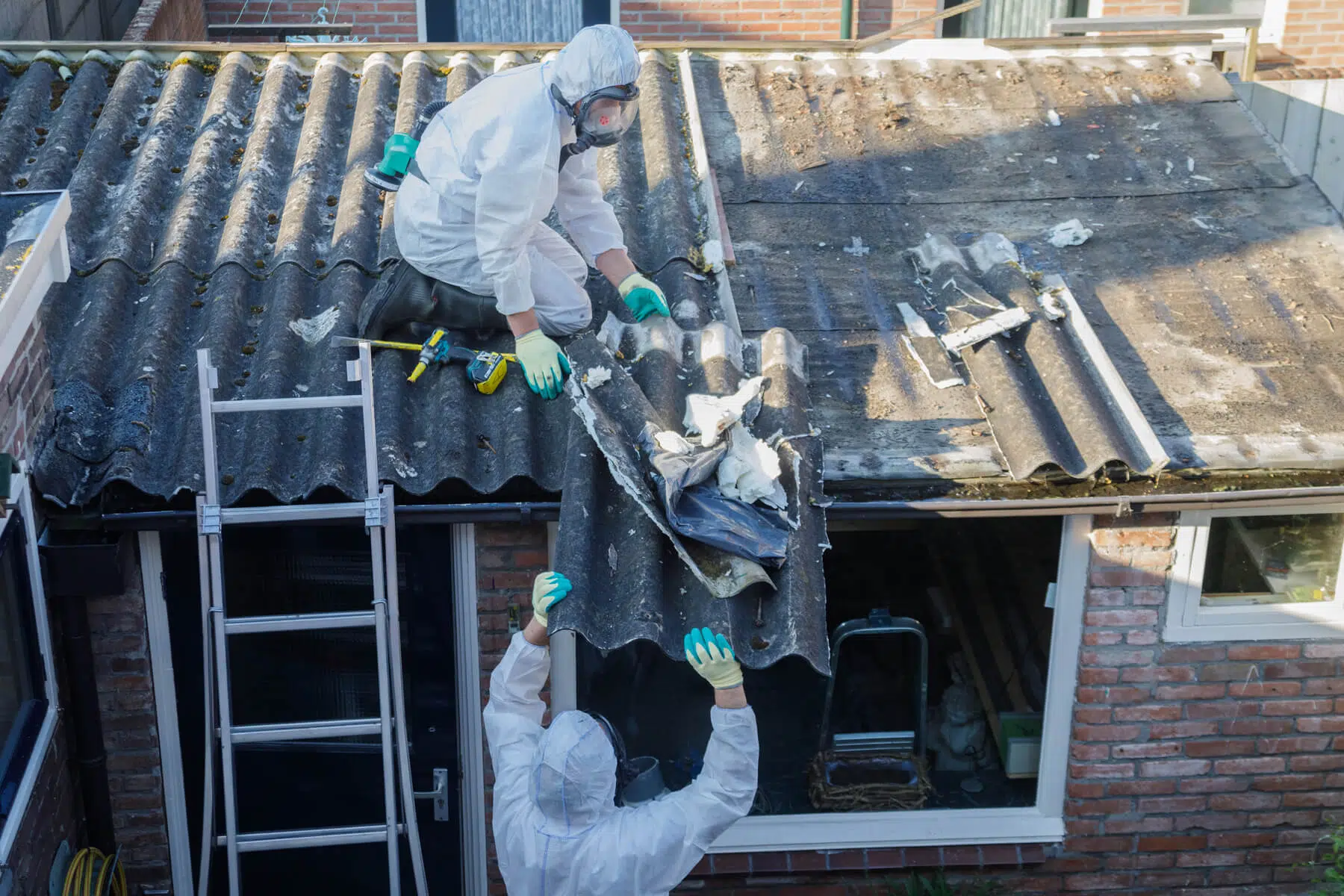
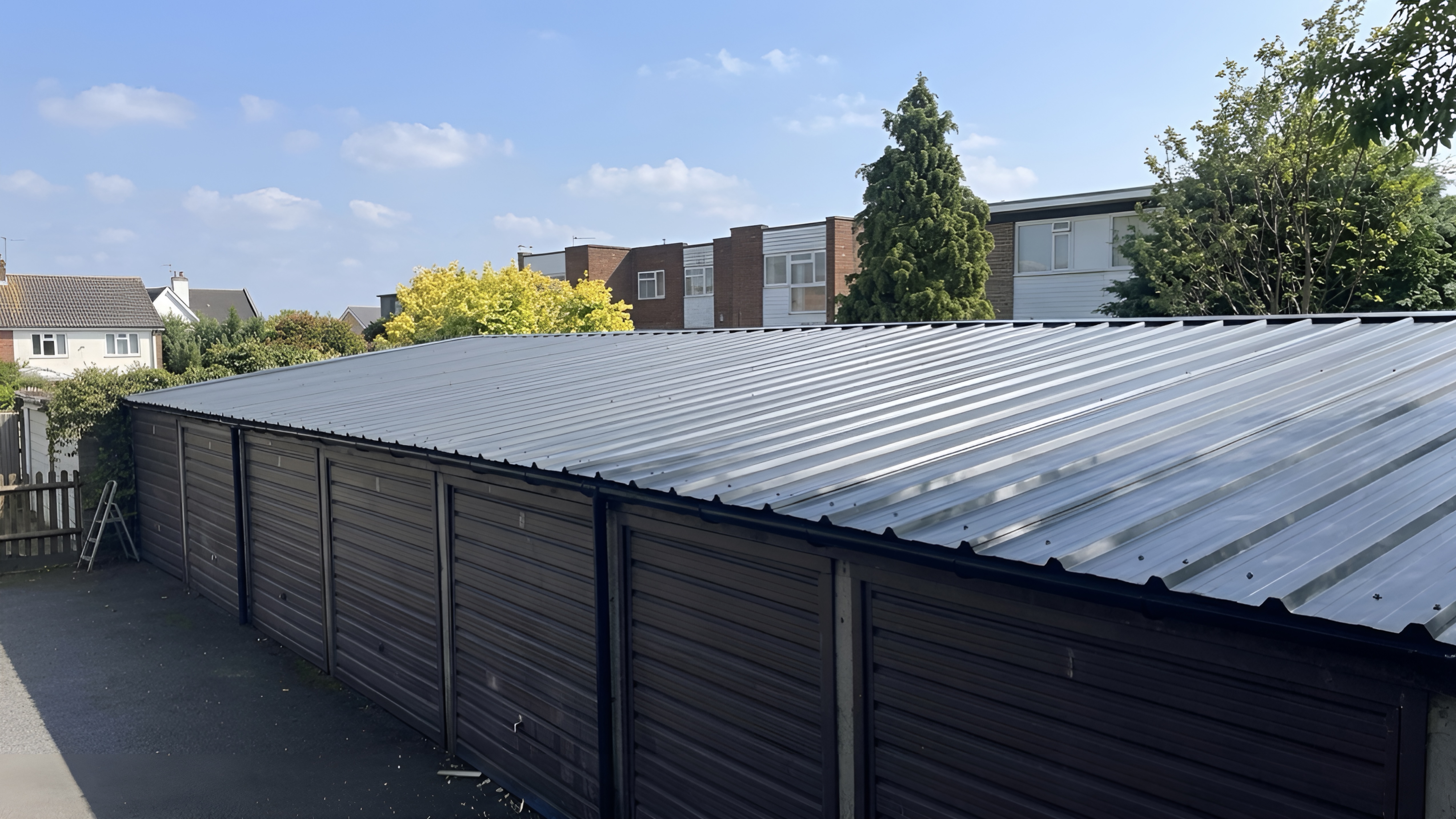
Asbestos ceiling tiles and insulating boards were widely used from the 1950s through to the 1990s. Our licensed team removes them safely under full containment — with minimal disruption to your home or business.
Asbestos ceiling is one of the most common forms found in Surrey homes and commercial properties. Properties built or refurbished between the 1960s and 1990s frequently contain asbestos in textured coatings such as Artex, vinyl or asbestos insulating board (AIB) ceiling tiles, sprayed insulation and decorative finishes. Millions of UK homes were treated with Artex or fitted with asbestos ceiling tiles before the full ban in 1999 — which means a large proportion of pre-2000 properties in our area still contain these materials today.
The danger comes when ceilings are damaged, drilled or disturbed during renovation work — releasing microscopic fibres that, when inhaled over time, cause serious and often fatal conditions including mesothelioma, lung cancer and asbestosis. There is no safe level of asbestos fibre exposure. Our hassle-free approach begins with a professional survey and UKAS-accredited testing to confirm exactly what you have, followed by safe, licensed removal under a fully sealed enclosure — with same-day completion on most residential jobs.
The most common ceiling ACM in Surrey homes. Applied to millions of properties from the 1960s through to the 1980s, Artex and similar textured finishes typically contain chrysotile (white asbestos). While lower-risk when undisturbed, any sanding, drilling or scraping can release fibres. Removal requires wet suppression techniques and a sealed enclosure to prevent contamination of adjacent spaces.
AIB (asbestos insulating board) and vinyl-asbestos ceiling tiles were widely used in commercial premises, schools, offices and residential properties right up to 1999. AIB is classified as a higher-risk material — it is more friable than asbestos cement and can release fibres more readily when disturbed. Licensed removal is usually required, with full enclosure and air monitoring throughout the works.
The most hazardous ceiling ACM. Sprayed asbestos — sometimes called limpet asbestos — was applied in commercial and industrial buildings as fireproofing and acoustic insulation. It is highly friable and licensed removal is mandatory under HSE regulations. A full negative pressure enclosure with continuous air monitoring is required, and only contractors with an HSE licence may carry out this work. We hold the necessary licences and have extensive experience with commercial sprayed coating projects.
We'll visit your property, assess the ceiling materials and give you a clear, honest appraisal — all free of charge, with no pressure to proceed.
Most residential ceiling removal jobs are completed within a single working day. We'll give you a clear programme before work starts so there are no surprises.
HSE-licensed for the full range of asbestos ceiling materials including AIB. Full public liability and contractors' insurance as standard on every job.
4-stage UKAS-accredited air clearance certificate issued on completion. All hazardous waste removed and disposed of at a licensed facility with consignment notes provided.
How do I know if my ceiling contains asbestos?
Properties built or refurbished before 2000 have a high likelihood of containing ceiling ACMs — including Artex, ceiling tiles or AIB boards. Visual inspection alone cannot confirm asbestos; professional sampling and UKAS-accredited laboratory testing are required to identify the material and determine the appropriate removal method. We can arrange this as part of our free initial survey.
Can ceiling asbestos be left in place?
If ceiling materials are in good condition and are not being disturbed, the immediate risk is lower. However, any planned renovation, drilling into the ceiling, or accidental damage means the material must be properly assessed and removed before work proceeds. Leaving known ACMs in place without a management plan is a legal risk for property owners and employers.
How long does ceiling removal take?
Most residential ceiling removal projects — whether Artex, ceiling tiles or AIB — are completed within a single working day. Larger commercial jobs or multi-room projects may take longer. We will give you a clear programme with start and finish times before we begin, so you can plan accordingly.
Do I need to vacate the property during removal?
Yes, all occupants must vacate the affected area during removal. We erect a fully sealed enclosure around the work zone so adjacent rooms are protected, but the removal area itself cannot be reoccupied until our independent air testing confirms that fibre levels are within safe limits and a clearance certificate has been issued.
No obligation. We'll confirm what you have, how much it will cost and arrange a convenient date that works around you.