Textured Coatings

Asbestos Artex Removal
Surrey & London

Artex and textured coatings applied before 1985 frequently contain chrysotile asbestos. Sanding, scraping or drilling through them releases dangerous fibres. Never attempt DIY removal — call our licensed team.

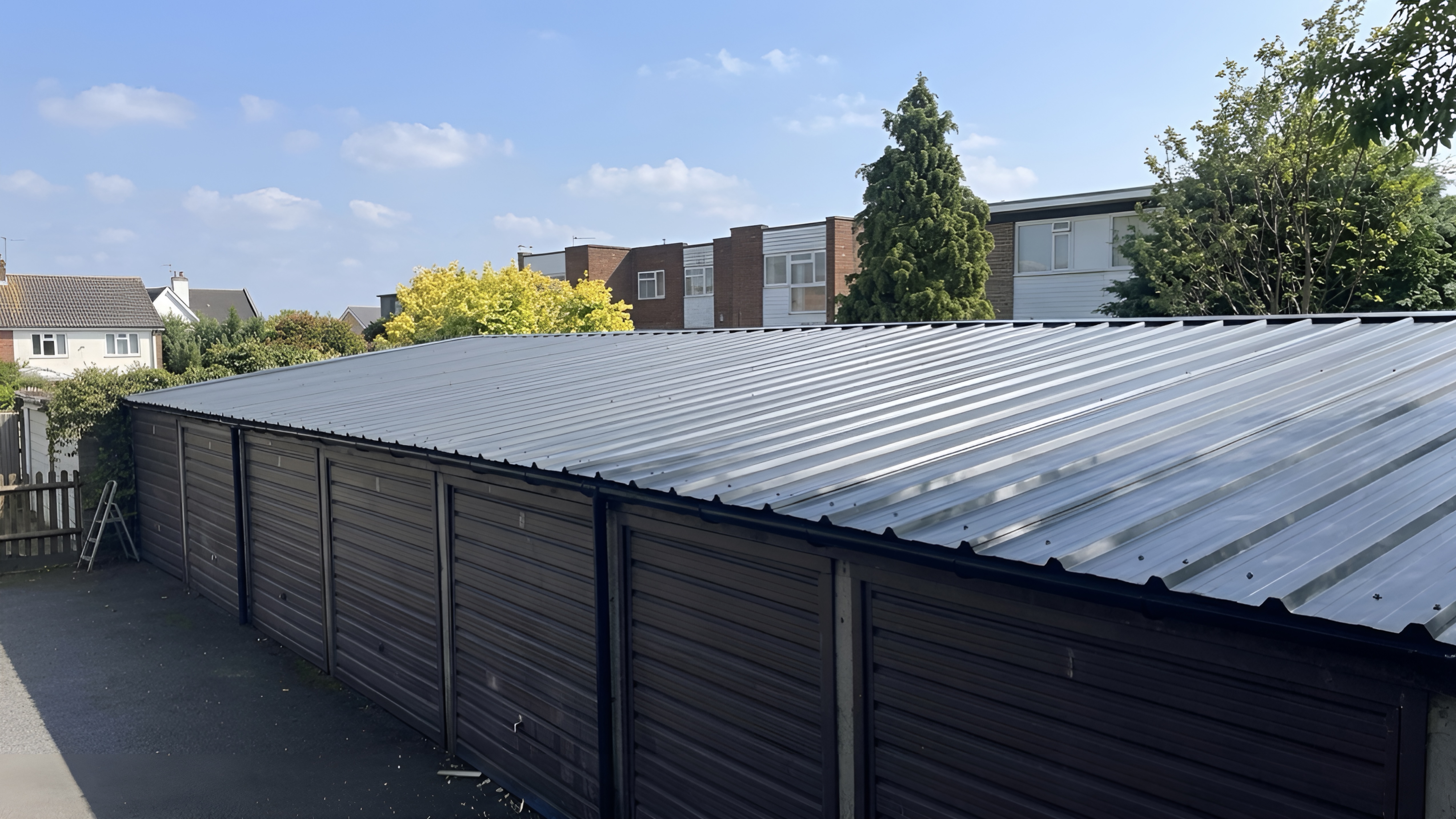
Artex removal completed in Surrey property
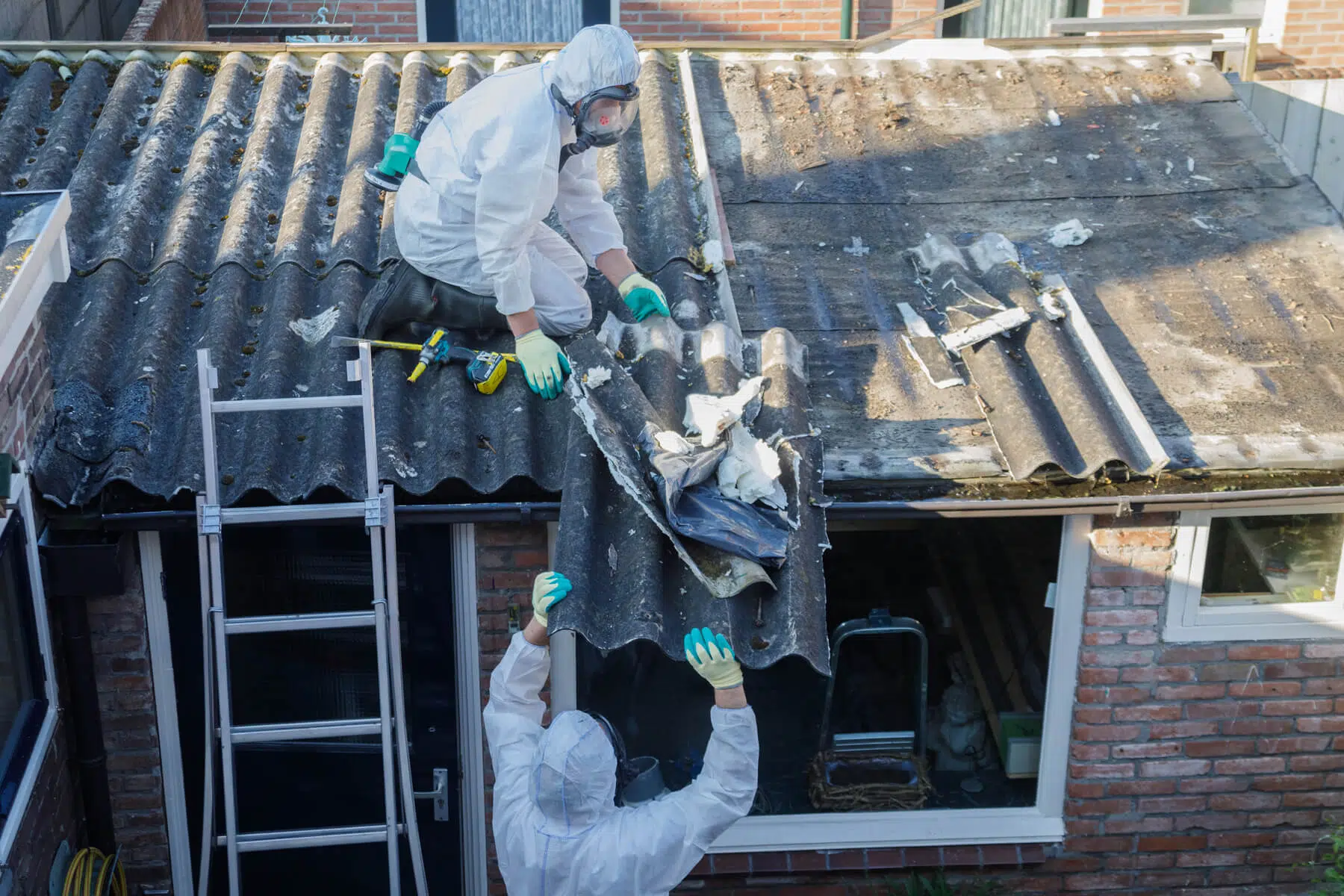
Surrey Asbestos licensed team on site
Textured Coating Specialists

Is Your Artex a Health Hazard?

Artex was the UK's most popular textured ceiling finish from the 1960s through the 1980s — found in millions of homes, schools and offices across the country. The vast majority of Artex applied before 1985 contains asbestos fibres, most commonly chrysotile (white asbestos), added during manufacture to improve fire resistance and durability. Even Artex applied between 1985 and 1999 may still contain it; only professional testing can establish this with certainty.

Intact, undisturbed Artex in good condition poses a low risk. The danger arises the moment it is disturbed — sanded, drilled, scraped or chipped during decoration or renovation. Even partial disturbance can release thousands of microscopic fibres into the air. These fibres are invisible to the naked eye and, once inhaled, can cause serious lung diseases including mesothelioma and asbestosis. Never attempt to remove or sand Artex yourself. Our licensed team uses specialist tooling, sealed enclosures and wet suppression to eliminate the risk.

  • Confirmed by UKAS-accredited lab testing
  • Sealed enclosure and negative pressure throughout
  • Wet suppression throughout to suppress fibres
  • Clearance certificate issued on completion
  • Walls, ceilings and soffits all covered
Book a Free Survey
What to Look For

Spotting Asbestos-Containing Artex

Many homeowners are surprised to learn that their ceilings and walls may contain asbestos. Artex and similar textured coatings often display a distinctive swirled, stippled, cottage-cheese or rough bumpy pattern — finishes that were fashionable in homes and commercial buildings throughout the 1960s, 1970s and early 1980s. However, visual inspection alone cannot confirm the presence of asbestos. The fibres are microscopic and mixed invisibly into the coating during manufacture.

As a general rule, if your textured coating was applied before 1985 it almost certainly contains asbestos. If it was applied between 1985 and 1999 it may still contain it — manufacturers were still working through existing asbestos-containing stocks during the transition period. Only professional bulk sampling followed by UKAS-accredited laboratory analysis can give you a definitive answer. We arrange sampling and testing as part of our free initial survey, so you do not need to find your own analyst.

If you are unsure when the Artex was applied, do not disturb it. Contact our team and we will arrange a survey at a time that suits you. The cost of testing is far outweighed by the risk of exposure from an uninformed DIY attempt.

Your Options

Removal

We remove the Artex safely using specialist tooling within a sealed, negatively pressurised enclosure. The surface is left clear and ready for replastering or redecorating.

Encapsulation

In some cases, sealing the surface with an approved encapsulant is a valid management option — particularly where the Artex is in good condition and no renovation work is planned in the near term.

Monitoring

If your Artex is in excellent condition and no building works are planned, a programme of periodic monitoring may be appropriate. Your surveyor will advise on the most suitable approach for your situation.

Why Choose Us

Our Artex Removal Promise

Safe Removal Methods

Specialist tooling and wet suppression minimise fibre dispersal throughout the removal process.

Full Compliance

All works carried out in accordance with CAR 2012 and HSE Approved Codes of Practice from start to finish.

UKAS-Accredited Testing

Bulk samples analysed by an independent UKAS-accredited laboratory — fast turnaround, legally defensible results.

Advanced Techniques

Purpose-built low-vibration tooling removes coatings with minimal structural disruption across ceilings, walls and soffits.

Ongoing Support

Post-removal advice, monitoring programmes and management plans available — we are here beyond the job itself.

FAQs

Common Questions About Artex Removal

How do I know if my Artex has asbestos?

Artex applied before 1985 almost certainly contains asbestos fibres. Artex applied between 1985 and 1999 may still contain it, as manufacturers continued using existing stocks during the transition away from asbestos. The only way to confirm asbestos presence is through UKAS-accredited laboratory analysis of a bulk sample. We arrange sampling and testing as part of our free initial survey — you do not need to source your own analyst.

Is it safe to live with an Artex ceiling?

Yes — intact, undisturbed Artex in good condition is considered low risk. The fibres are bound within the coating material and are not released into the air during normal day-to-day living. The danger arises during any activity that disturbs the surface: sanding during redecoration, drilling for fixings, scraping, or any kind of renovation work. If you are planning building works, the Artex must be assessed and, if necessary, removed before work begins.

Can I remove asbestos Artex myself?

Never attempt DIY removal of suspected asbestos-containing Artex. It is extremely dangerous and, depending on the asbestos type and quantity present, may be illegal without the appropriate HSE licence. Even disturbing a small area of Artex without proper containment can release microscopic fibres that remain suspended in the air for hours. Our licensed team use sealed enclosures, negative pressure units and specialist tooling to prevent any fibre release.

Can Artex be encapsulated instead of removed?

In some cases, yes. If the Artex is in good condition, is not being disturbed by building works, and the property owner is happy to manage it in place, encapsulation using an approved sealant can be a valid option. Our surveyor will assess your specific situation and advise on whether removal, encapsulation or a monitoring programme is the most appropriate — and most cost-effective — course of action.

Ready to Get Started?

Get Your Artex Tested Today

Free survey to confirm whether asbestos is present and advise on the safest, most cost-effective solution.

07798 984290 — Sales
07468 437558 — Enquiries
Call Now